


{"post":"Scythian golden comb probably made by the Greeks in 4th Century AD. Found in the Solokha (Солоха) kurgan in Ukraine 🇺🇦
The Scythian golden comb, likely crafted by Greek artisans in 4th Century BC, a remarkable artifact that highlights the cultural and artistic exchanges between the Scythians and the Greek world. Found in the Solokha Kurgan in Ukraine, this comb is not only a functional item but also a stunning example of craftsmanship, made from gold and intricately designed.
Solokha Kurgan, a burial mound from the Scythian period, yielded many important artifacts, offering insights into the rich and diverse world of the Scythian nomads who dominated the Eurasian steppes.
The comb\'s design reflects Greek influence, particularly in its decorative motifs, and demonstrates the interaction between the Scythian people and the Greeks, who were active in the region through colonization and trade. Scythians, known for their equestrian culture and nomadic lifestyle, were skilled metalworkers, but Greek influence on their art, especially in items like this comb, a testament to cultural fusion between two civilizations.
This object not only served as a personal grooming tool but also as a symbol of interconnectedness of the ancient world, showcasing the blending of Scythian tradition with Greek artistic techniques. Today, this comb is a unique artifact, held in high regard for its beauty and historical significance, highlighting the cross-cultural exchanges that shaped the ancient world.
The Hermitage - St. Petersburg 🇷🇺"}
{"post":"Do even the Gods bow to Abrahamic norms now or something else ?
Jalanetheshvar Temple, Tamil Nadu
C. 800 CE
#Archaeology questions"}
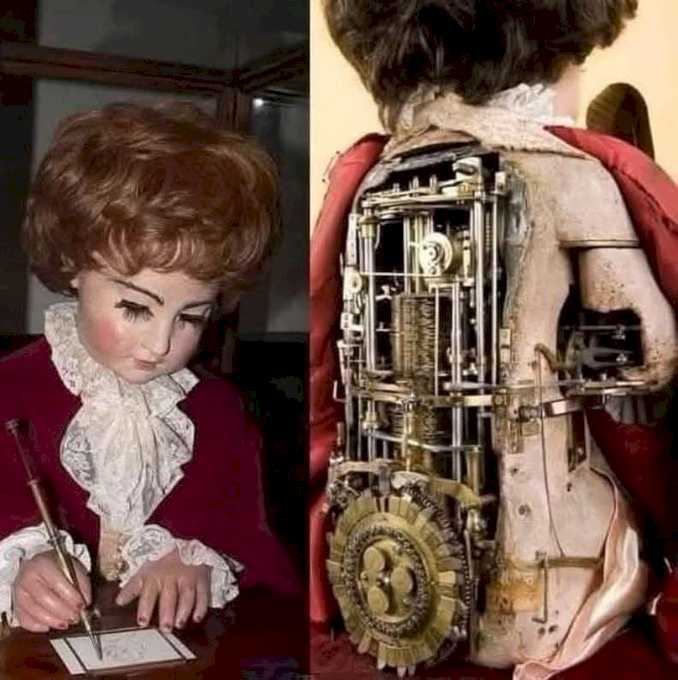
{"post":"In 1774 AD, during the reign of Louis XVI, Swiss watchmaker Pierre Jacques Dro unveiled a remarkable engineering feat that would go down in history as the world's first android or programmed automaton. Known as "The Writing Boy," this creation appeared at first glance to be a simple wooden doll with a porcelain head, barefoot, and holding a goose feather. But hidden within this seemingly ordinary toy was a technological marvel, a writing mechanism powered by 6,000 intricate moving parts, making it the first automatic calligrapher.
"The Writing Boy" was a #groundbreaking achievement, as it was capable of writing complex sentences, such as "My inventor is Jacques Dro." The automation was a product of 20 months of meticulous work by Pierre Jacques Dro, and its debut in Paris stunned the court of King Louis XVI. The android's ability to perform such an intricate task showcased the high level of craftsmanship and innovation of the time.
This astonishing creation marked a significant milestone in the history of robotics and engineering. Not only was it the world’s first programmed android, but it also demonstrated the potential of machines to replicate human actions. The Writing Boy paved the way for future advancements in automation, solidifying Pierre Jacques Dro’s legacy as a pioneer in the field of #robotics."}
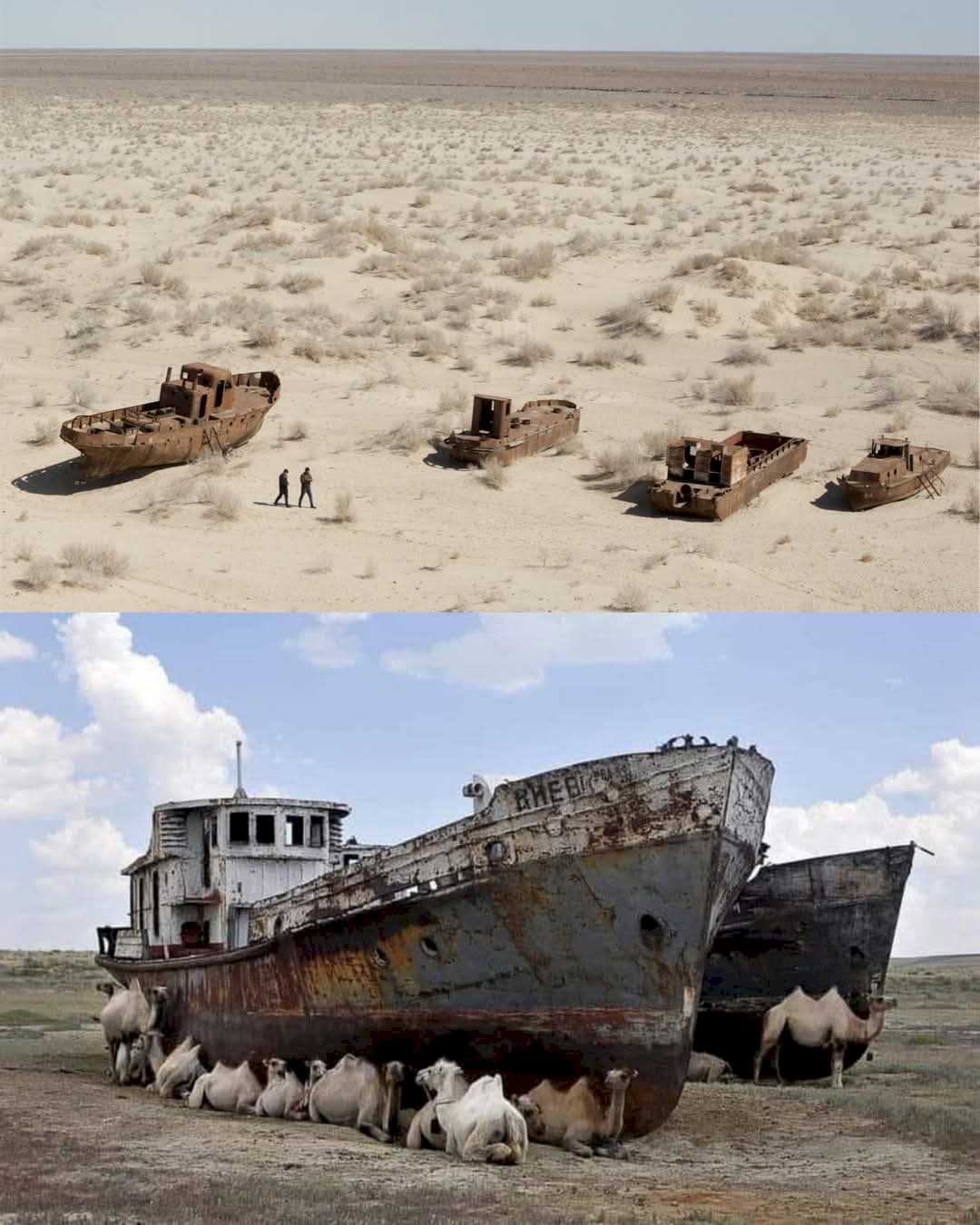
{"post":"Just a few decades ago, this was the fourth-largest inland sea on Earth, a vast body of water that sustained thriving fishing towns and drew visitors to its coastal resorts. The Aral Sea, once spanning parts of Kazakhstan and Uzbekistan, has now almost entirely vanished, leaving behind an expanse of desert where ships rust in the sand.
For centuries, this sea played a crucial role in regional trade and ecology, but human intervention changed its fate. Massive Soviet irrigation projects diverted its waters for agriculture, causing the sea to shrink at an alarming rate. Today, most of what remains is dry, salty terrain, with only small sections of water surviving due to restoration efforts. The abandoned ships, now stranded miles from any shoreline, serve as eerie reminders of a lost industry and an environmental disaster still"}
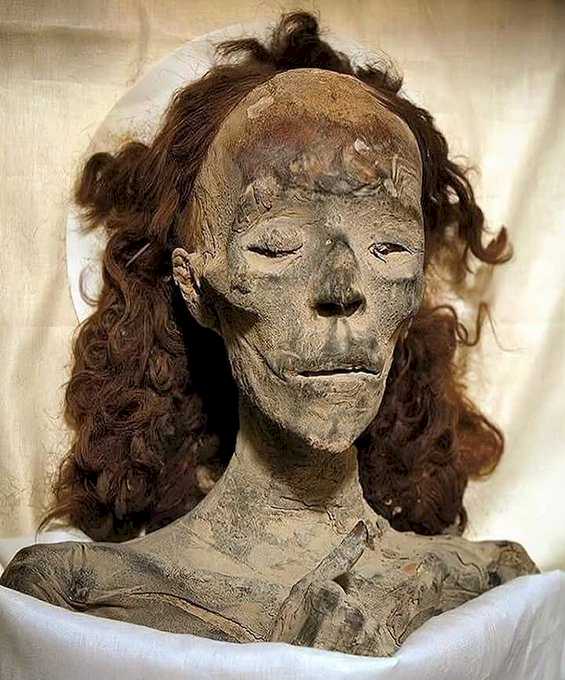
{"post":"The mummy of Queen Tiye, the wife of Pharaoh Amenhotep III and the grandmother of Tutankhamun, is an exceptional relic from ancient Egypt, dating back over 3,300 years. Despite the passage of time, the mummy has preserved an aura of dignity and regality, offering a glimpse into the life of one of Egypt’s most influential royal figures. Queen Tiye was not only a key figure in the court of Amenhotep III but also played a significant role in political and religious matters during her reign.
Known for her #intelligence and strong presence, Queen Tiye was a powerful woman who held considerable sway in Egypt’s affairs. Her influence extended beyond her role as a wife and mother, and she is often regarded as a shrewd diplomat and a symbol of strength within the royal family. The features visible in her mummified remains reflect her high status and the respect she commanded during her lifetime.
Today, the mummy of Queen Tiye continues to provide valuable insights into the complex dynamics of ancient Egyptian society. Her preservation offers scholars a unique opportunity to study the health, customs, and practices of the time. As one of Egypt\'s most revered queens, her legacy remains firmly embedded in history, shedding light on the power and influence of women in ancient Egypt."}
{"post":"Roccascalegna Castle, located in the Abruzzo region of Italy 🇮🇹, a striking medieval fortress that dates back to 11th Century AD, though it was expanded in 16th-17th Centuries. Perched on a dramatic cliff, the castle has witnessed centuries of history, and its imposing presence has become a symbol of the area. Yet, it\'s not just the architecture that makes this castle famous—it’s the dark legend surrounding its past.
According to the story, a cruel lord once ruled over the castle and forced all newlywed girls to spend their first night with him instead of their husbands. Naturally, the men of the village were furious. In one act of defiance, a newlywed woman disguised herself in men’s clothing, entered the castle, and fatally stabbed the lord. As he died, he touched a wall, leaving a bloody handprint that some say remained visible even into the 20th century, long after part of the castle collapsed in 1940.
What adds to the eerie nature of the legend is that the bloody handprint continues to reappear on the castle wall, no matter how many times it is scrubbed away. This mysterious and unsettling phenomenon has fueled stories of supernatural happenings at the castle, drawing visitors intrigued by both the history and haunting lore of Roccascalegna Castle"}

{"post":""}
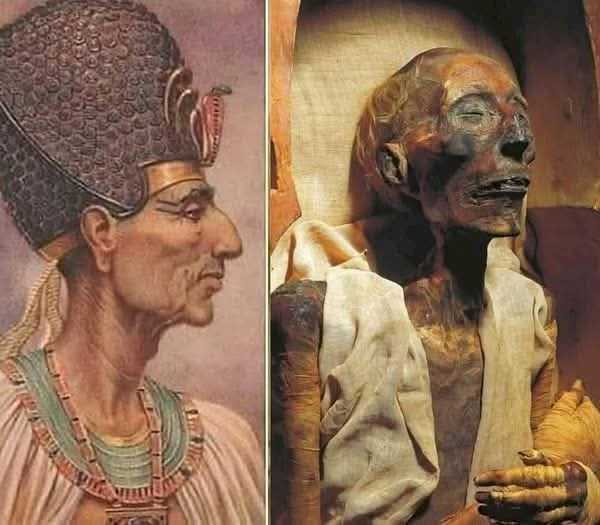

Charles kitwa Jml It seem like all pharaon were black?
